Winter Is Coming: How Portland Homeowners Can Protect and Prepare Their Automatic Gates
The Impact of Sub-Freezing Temperatures on Battery Backups
Most modern automated gate systems rely on internal 12V or 24V backup batteries to guarantee full functionality during regional power outages. However, cold weather dramatically reduces the chemical efficiency and overall storage capacity of these batteries. A battery that operates flawlessly in July may completely drop voltage when temperatures hit the freezing mark, leaving your gate stuck open or completely unresponsive when the main power grid fails. Prior to winter, it is vital to test the battery under load and inspect the terminals for any signs of white powdery corrosion, which limits power transfer and chokes the system's electrical supply.
Protecting Sensitive Internal Electronics from Pacific Northwest Moisture
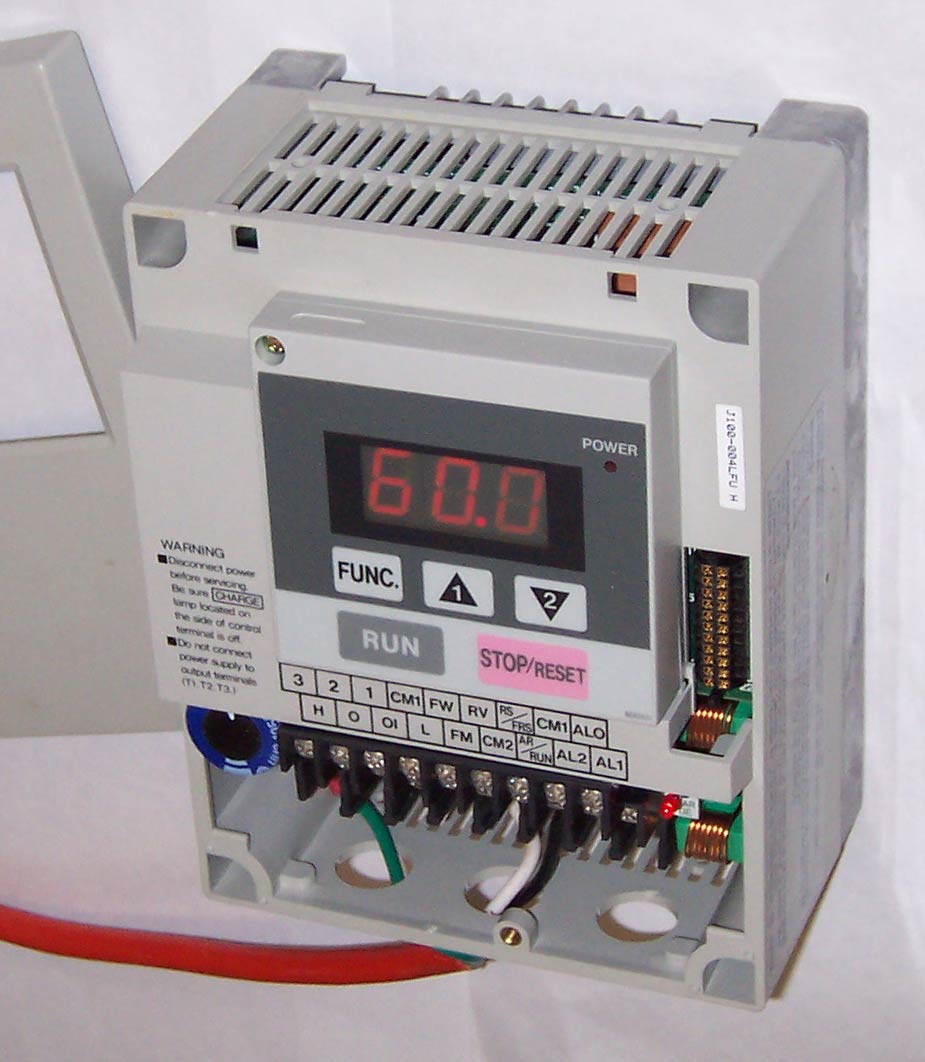
The driving rains and high humidity levels characteristic of a Portland winter create a prime environment for internal condensation. The control boxes housing the gate's circuit boards, loop detectors, and wire harnesses are vulnerable to moisture infiltration if the housing seals are compromised. Over time, trapped dampness leads to terminal corrosion or catastrophic short circuits that require full board replacements. Homeowners should carefully check all rubber gaskets and conduit entry points on the operator casing to ensure they are fully watertight, while also clearing away insect nests or cobwebs that can trap moisture against sensitive electronic contact points.
Keeping Sliding Gate Tracks and Roller Wheels Free of Frozen Debris
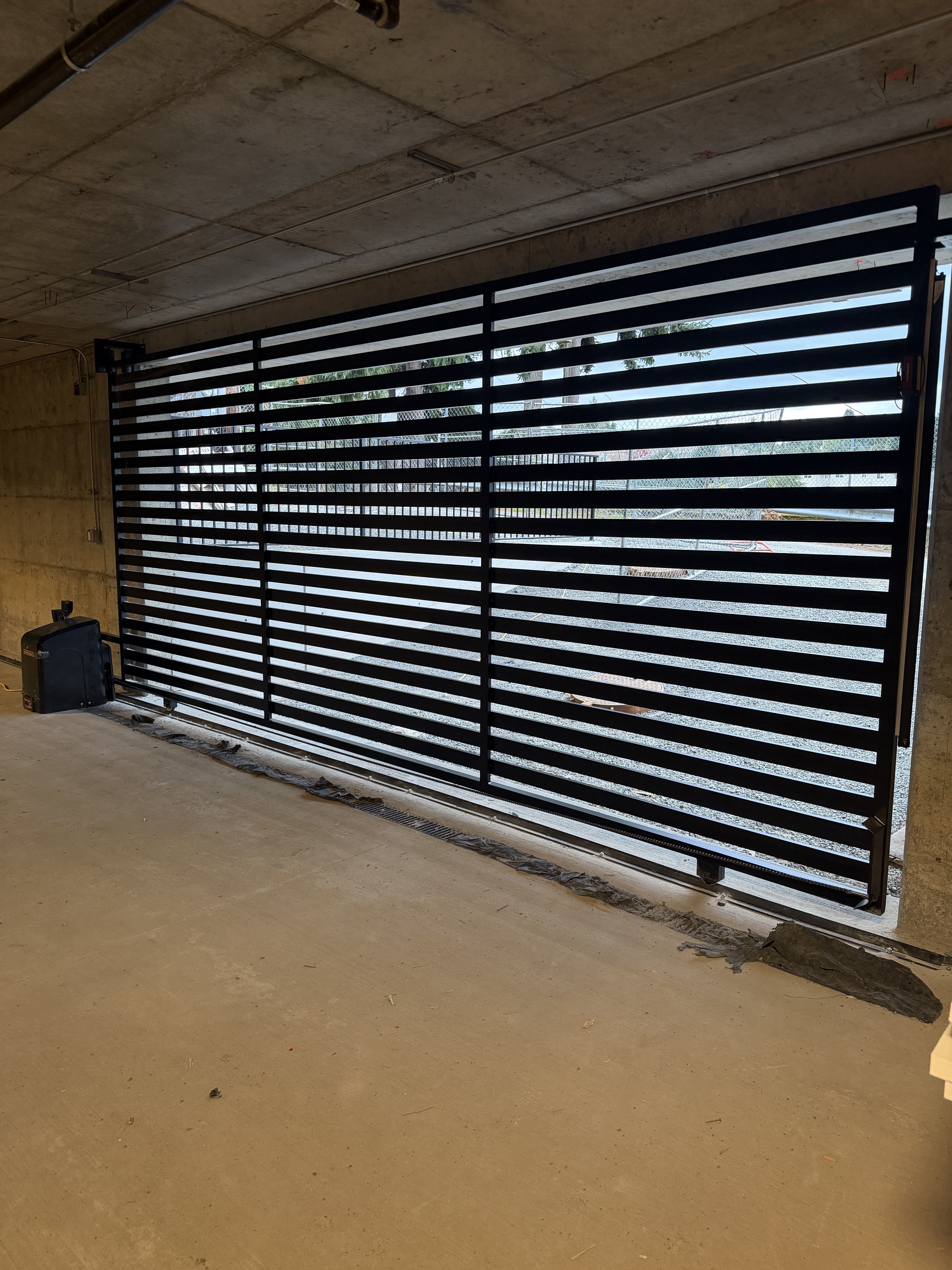
For properties utilizing horizontal sliding gates, physical track maintenance is the single most critical factor in avoiding winter breakdowns. Falling leaves, pine needles, and shifting gravel easily wash into the V-track groove during heavy autumn downpours. When freezing weather arrives, this wet organic matter packs tightly and freezes solid. If the gate's roller wheels hit an icy obstruction, the internal motor registers an immediate amperage spike, mistaking the debris for a vehicle collision and triggering the safety reversal mechanism. Regularly sweeping the track and ensuring the surrounding drainage channels function perfectly prevents standing water from pooling and freezing into immovable ice barriers.
Lubrication Strategies to Combat Cold-Weather Mechanical Resistance
The mechanical linkages, drive chains, and heavy-duty hinges that support swing and sliding gates depend entirely on high-quality grease to minimize friction. Standard lubricants can thicken and become highly viscous in low temperatures, creating intense drag that forces the operator motor to work twice as hard to cycle the gate. This added resistance can prematurely wear out internal drive gears and trip the motor's force-sensitivity limits. Applying a specialized, low-temperature marine-grade grease or silicone-based spray to all pivot points, chains, and hinges repels water, prevents rust formation, and maintains smooth operation through the coldest winter months.
Managing Photo-Eye Alignment Through Dense Winter Fog and Frost
Infrared safety photo-eyes project an invisible light beam across the driveway entrance to prevent the gate from closing on vehicles, pets, or pedestrians. Because these sensors rely on a perfect optical line of sight, winter weather elements like dense morning fog, driving rain, or a layer of hard frost on the external lenses can scatter the infrared signal. When the receiver loses tracking with the transmitter, the system defaults to an emergency safety hold, refusing to close the gate. Wiping the lenses clean with a soft, anti-static cloth and verifying the physical alignment of the mounting brackets ensures consistent, uninterrupted perimeter security.