How High-Cycle Variable-Frequency Drives Eliminate Drive-Chain Snap on Heavy Industrial Slide Gates
The Physics of Inertia and Instantaneous Shock Loads
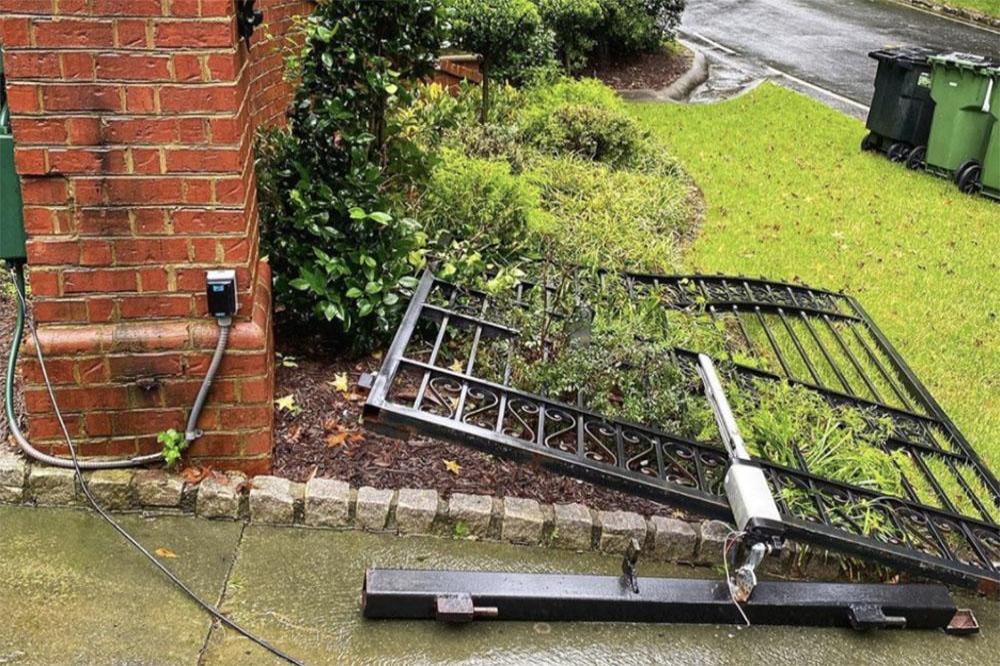
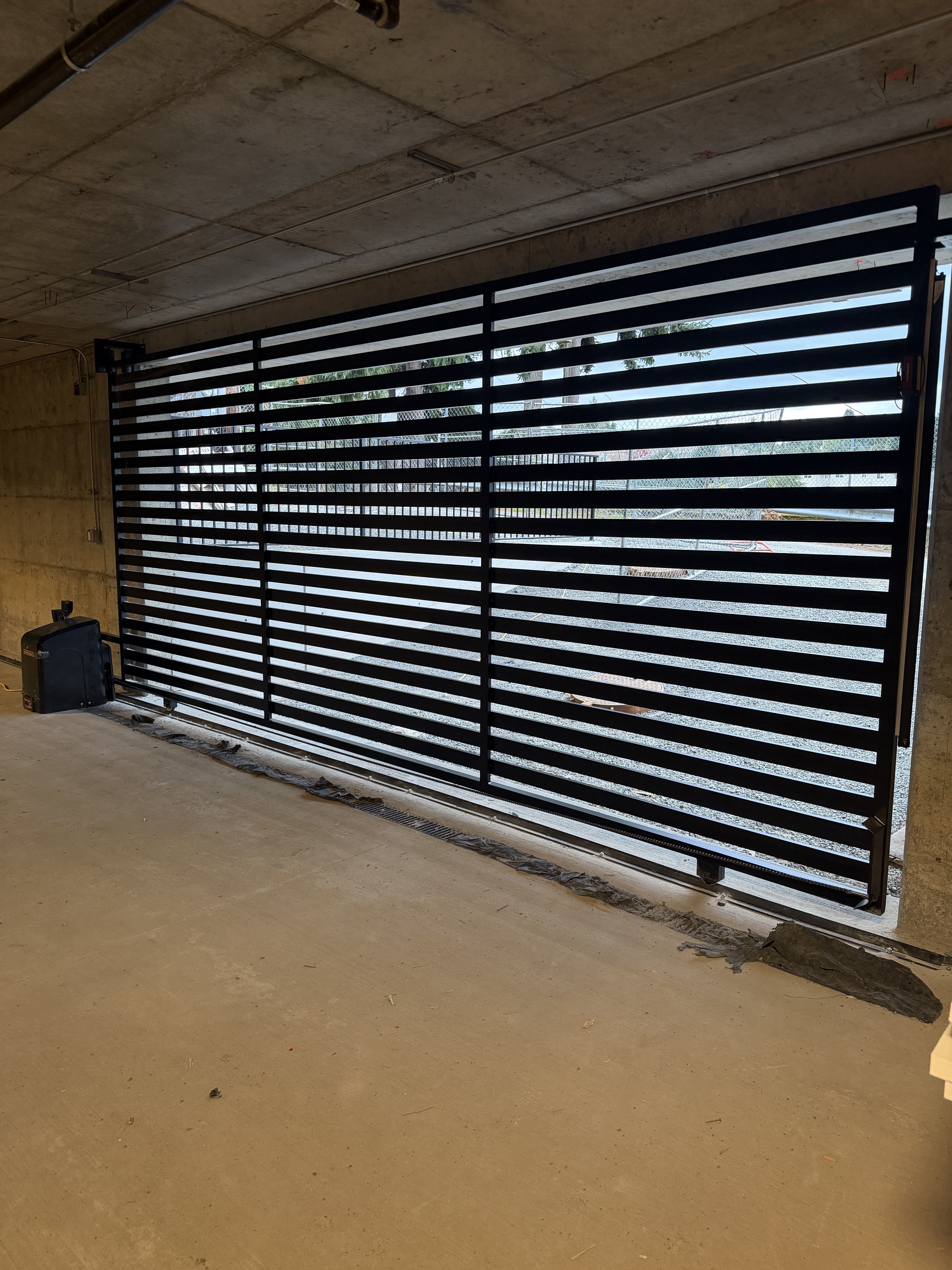
To appreciate the mechanical superiority of VFD engineering, you must analyze the physics of inertia. A heavy steel cantilever or overhead slide gate requires a massive surge of initial torque to transition from a complete dead stop to its top traveling speed. When a traditional single-speed operator switches on, it instantly delivers one hundred percent of its motor speed directly to the drive sprocket. Because the heavy gate panel cannot accelerate instantaneously, a violent mechanical tug-of-war occurs. This sudden shock wave stretches the high-tensile steel roller chains, rounds out sprocket teeth, and can easily snap master links, rendering your property's primary defense line completely breached.
How Variable-Frequency Control Blocks Motor Surge Inrush
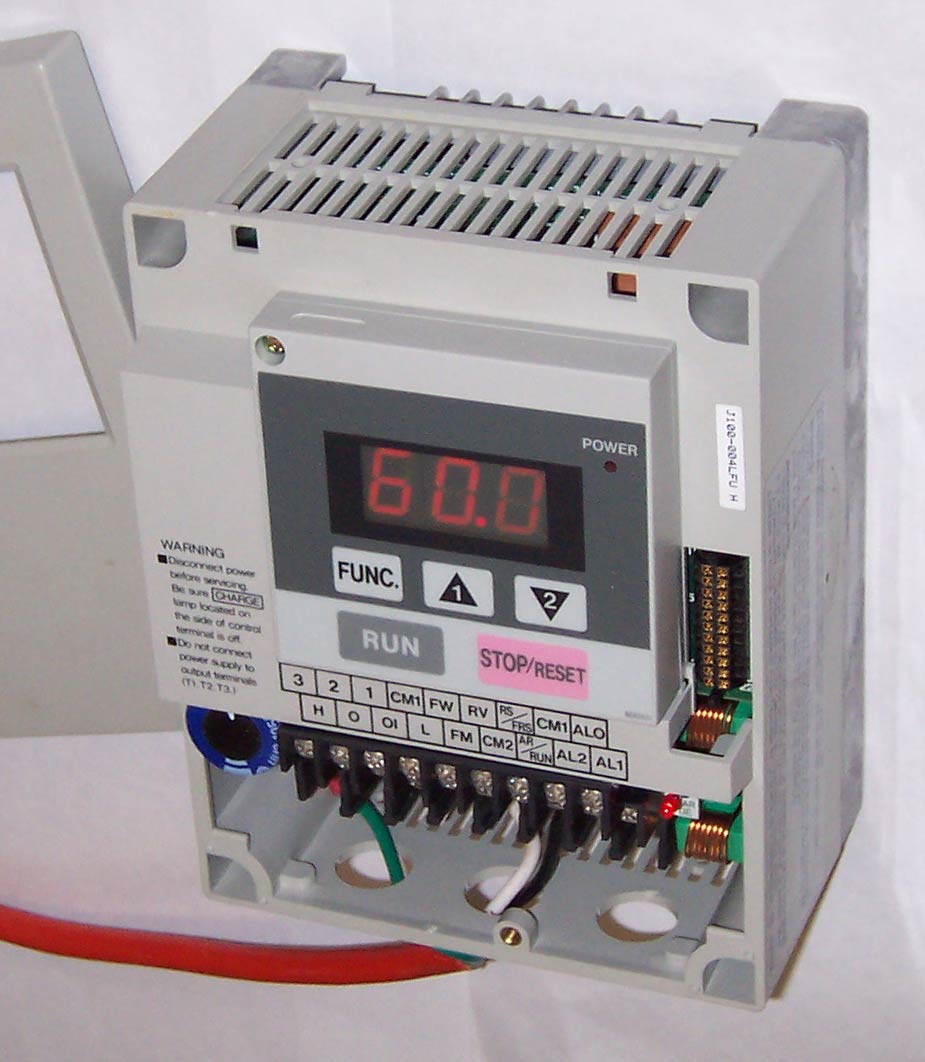
A Variable-Frequency Drive completely reshapes this energy profile by acting as an intelligent electronic brain situated between your incoming power supply and the gate motor. Instead of dumping raw, single-speed voltage into the motor windings, the VFD precisely manipulates the frequency and voltage of the electrical current. This digital regulation enables custom-tailored variable speed mapping—often called smart soft-start and soft-stop functionality. When an authorized security card or remote command triggers the gate, the VFD smoothly ramps the motor up from zero hertz, easing the drive chain into motion without a fraction of a millimeter of sudden mechanical jerk.
Protecting Internal Gearboxes with Controlled Kinetic Deceleration
The structural damage caused by single-speed gate logic is equally destructive at the end of the run cycle. Traditional systems slam into their closing limit switches at full operating speed, relying on harsh mechanical brakes or heavy rubber stop-blocks to absorb the kinetic energy. This sudden deceleration causes the gate frame to whip violently and forces the internal gear oil to absorb massive kinetic backlash pressures. A VFD-driven operator resolves this issue by executing a mathematically calculated deceleration curve as the gate approaches the catch post, gently slowing the massive panel down to a crawl before the final lock-pin engages.
Maximizing Daily Cycle Capacities While Cutting Thermal Overhead
When a standard electric motor starts up under full load, it experiences a massive spike in electrical current known as inrush amperage. This electrical surge generates intense internal thermal heat within the motor windings. In high-traffic distribution hubs where the gate must cycle continuously back-to-back, this heat accumulation triggers internal thermal overload switches, shutting the gate operator down completely and backing up commercial traffic. Because a VFD system smoothly scales the frequency, it completely eliminates inrush amperage spikes. The motor runs significantly cooler, allowing for a continuous, one hundred percent duty cycle through peak traffic hours without the risk of system gridlock.
Professional Digital Diagnostics and Multi-Point Drive Calibration
Because VFD-controlled gate networks are highly sophisticated industrial computers, precision installation and calibration are vital for long-term safety and performance. Our certified technicians utilize specialized software to program precise speed curves based on the exact weight of your gate panel, local wind-load resistance coefficients, and the specific terrain grade. Every drive chain is perfectly tensioned using heavy-duty idler assemblies, and the VFD's internal current sensors are fine-tuned to reverse the gate instantly if a physical obstruction is detected. This precise technical calibration ensures your high-security perimeter remains perfectly fortified, efficient, and reliable for decades.