How Magnetic Gate Locks Defend Against Forced Leverage Entry on Automated Driveway Gates
The Physics of Electromagnetic Holding Power
An electromagnetic gate lock operates with remarkable simplicity to deliver immense physical defense. The system consists of two primary components: a heavy, weatherproof electromagnet encased in a steel housing that is bolted to the gate post or meeting stile, and a flat, solid steel armature plate mounted to the moving gate panel. When the gate reaches its fully closed position, the two plates make flush physical contact, and the gate controller passes a continuous direct current (DC) of electricity through the magnet. This current creates an incredibly dense electromagnetic field that binds the plates together with a holding force typically rated between 1,200 and 2,500 pounds, making it physically impossible to pry open with hand tools.
Eliminating Mechanical Leverage Points
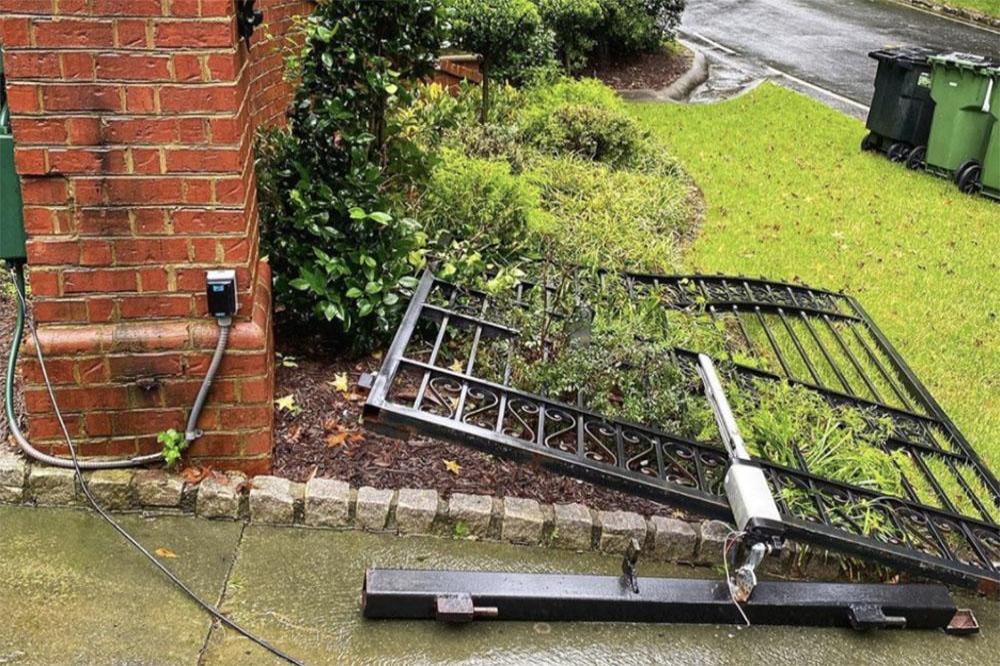
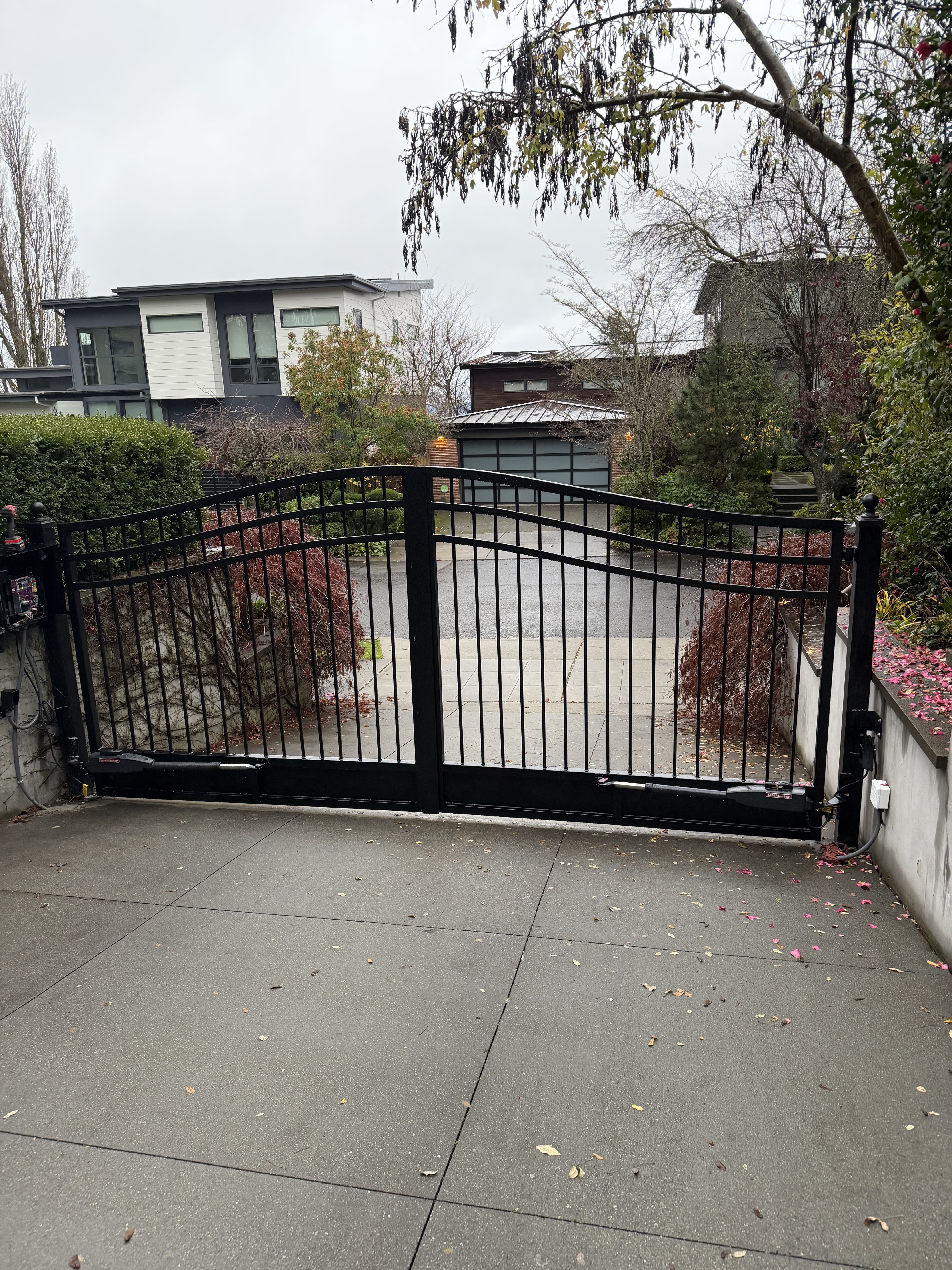
When criminals target a perimeter double-swing gate, they exploit the natural vulnerability where the two gate leaves meet in the center. Because swing gates are long panels, a small amount of physical pressure applied at the far edge translates into massive mechanical leverage against the operator arms located back near the hinges. Without a secondary lock, forcing a gap open is relatively simple. Mounting a high-capacity maglock directly at the meeting point completely neutralizes this physical leverage. Because the magnetic force binds the leading edges of the gate panels uniformly from top to bottom, it leaves absolutely zero gaps or flexing points for an intruder to wedge a tool into.
Complete Immunity to Environmental Weather and Mechanical Jamming
Traditional mechanical latch locks, deadbolts, and drop-bolts rely on moving pins that must drop perfectly into a physical ground sleeve or catch plate to secure the gate. In an outdoor driveway environment, this mechanical design faces constant threats. Small rocks, dirt, autumn leaves, or ice can easily fill a ground sleeve, preventing the bolt from dropping and leaving the gate unsecured. Furthermore, minor ground shifting or seasonal gate sagging can throw physical latches completely out of alignment. Because maglocks have zero moving parts and rely entirely on surface-to-surface magnetic attraction, they are completely immune to alignment wear, debris accumulation, and mechanical jamming.
Fail-Safe Engineering for Critical Life Safety Compliance
When incorporating high-security locks onto a residential or commercial perimeter, balancing absolute lockdown with emergency exit capability is essential. Maglocks are inherently engineered as "fail-safe" electronic devices, meaning they require a continuous supply of electricity to remain magnetized. If your property experiences a major power grid failure during a storm, or if an emergency fire alarm is triggered, the gate control board instantly cuts power to the lock. The magnetic field collapses in a fraction of a second, allowing the gate to be pushed open manually or cycled by emergency responders without delay, ensuring total compliance with local life-safety codes.
Seamless Synchronization with Modern Access Controllers
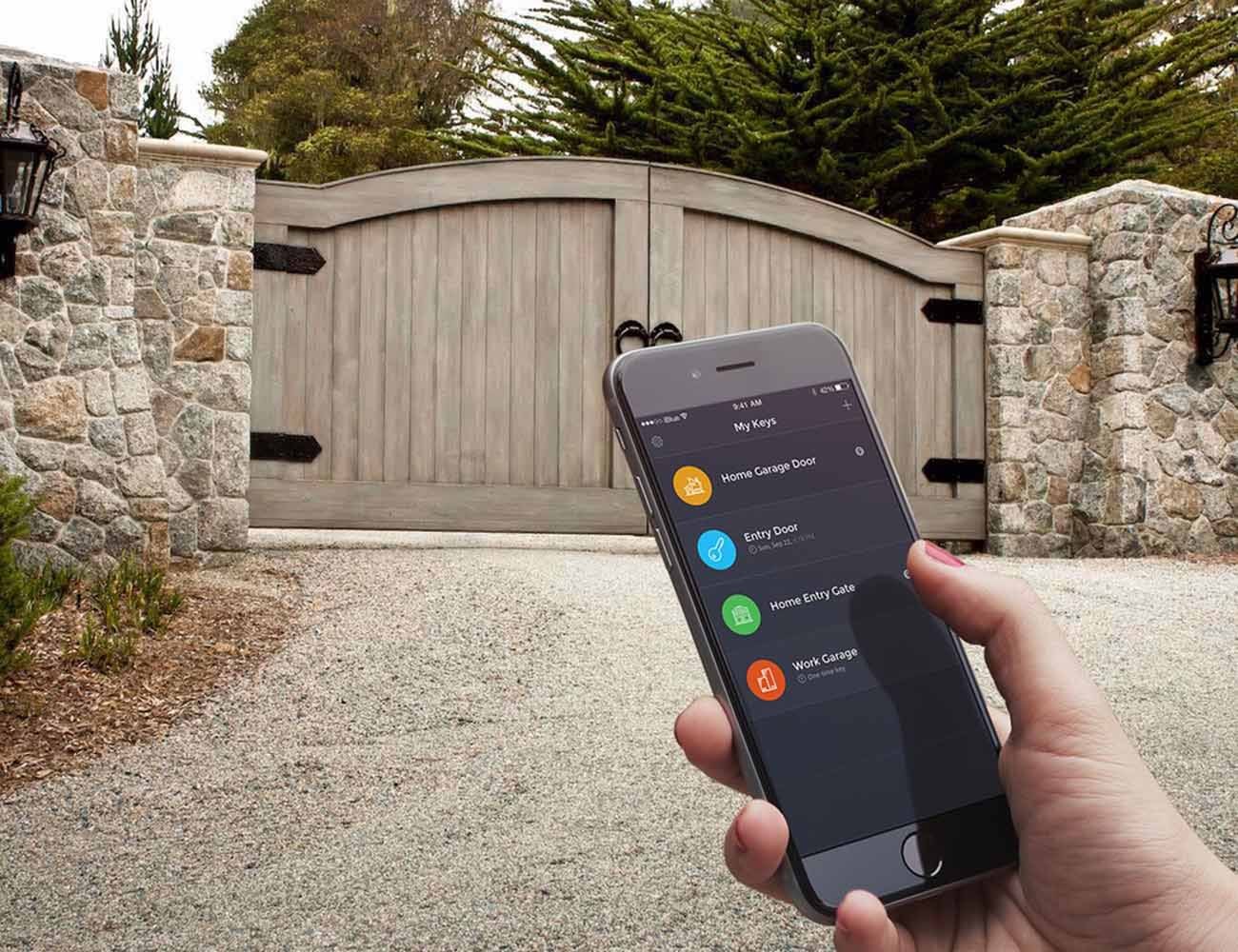
A heavy-duty maglock is designed to operate as a fully synchronized element within your smart access control network. When you activate your system via a smartphone app, an RFID keycard, a vehicle remote, or a telephone entry intercom, the control board executes a precise, millisecond-fast digital script. The system cuts power to the electromagnet first, verifies that the magnetic bond has fully released, and only then commands the electric gate operator motor to begin its physical movement cycle. This precise timing prevents the motor from fighting against its own lock, protecting your automated hardware from internal strain and ensuring a fluid, whisper-quiet entry every single time.