Solar-Powered Automatic Gates: Is an Eco-Friendly System Practical for Your Property?
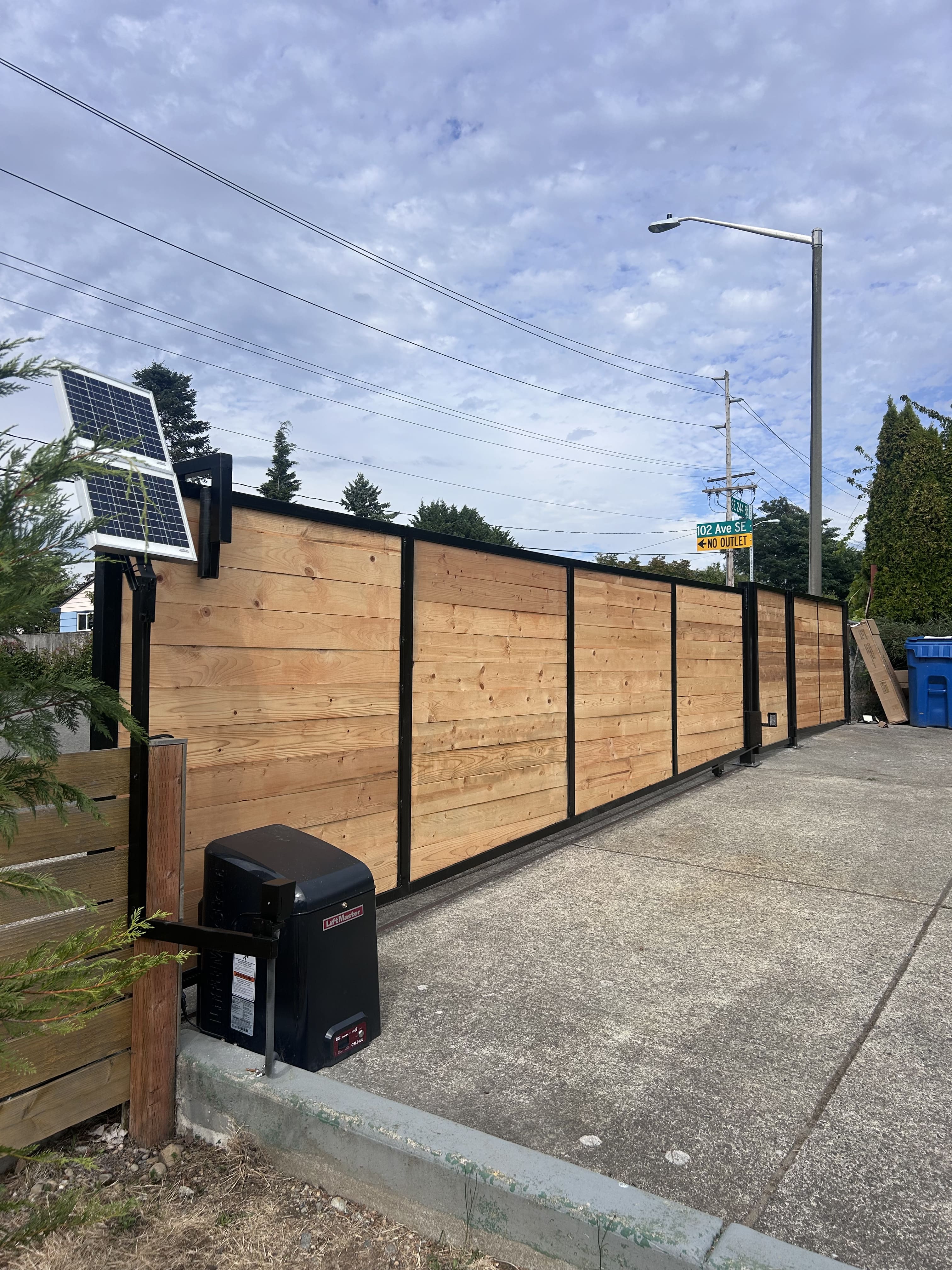
The Mechanics of a Solar Automated Access System
A common misconception is that a solar panel directly drives the electric gate motor when you press your remote control. In reality, a solar automated system operates on a low-voltage direct current (DC) battery backup platform. The primary role of the solar panel is to act as a continuous trickle charger, converting sunlight into electrical energy to keep the system's internal batteries fully topped off. When the gate cycles open or closed, it draws its heavy operational amperage exclusively from those stored battery reserves, ensuring consistent power output day or night.
Evaluating Sunlight Exposure and Regional Climate Constraints
The baseline feasibility of a solar gate system depends heavily on your property’s physical environment. For a solar panel to successfully offset the energy consumed by daily gate cycles, it generally requires a minimum of four to six hours of unshaded, direct sunlight each day. While this is easily achieved in open, rural landscapes, properties with heavy tree canopies, dense surrounding structures, or properties situated in perennially overcast regions must be carefully calculated. In less sunny environments, installing a larger, high-efficiency solar panel or a dual-panel array can help capture enough ambient light to keep the batteries functional.
Understanding the Daily Cycle Budget Constraints
Unlike a grid-connected system that enjoys an endless supply of electricity, a solar-powered gate operates on a strict daily energy budget. Every time a swing or sliding gate opens and closes, it drains a specific amount of power from the battery. High-traffic residential driveways—or systems integrated with power-hungry accessories like continuous-wave telephone entry systems, external mag-locks, and bright path lighting—can deplete the battery faster than a standard solar panel can recharge it. Calculating your average daily cycles is crucial to ensure your system remains operational without dropping voltage.
The Inherent Advantage of True Power Outage Resilience
The single greatest operational benefit of a solar-optimized gate is its total independence from the main municipal electrical grid. When severe winter storms, traffic accidents, or infrastructure overloads trigger a widespread blackout, standard AC-powered gates without expensive battery backups will freeze completely in place. A solar-driven system remains completely unaffected by grid instability. Because its power source is mounted directly to its structural frame, the gate will continue to cycle flawlessly, maintaining your property’s secure perimeter when the rest of the neighborhood loses power.
Minimizing Costly Landscape Trenching and Electrical Costs
Installing a traditional grid-powered gate at the edge of a large estate or a remote rural driveway often incurs massive infrastructural costs. Running an AC power line from the main house to the road requires deep trenching through yards, cutting across concrete driveways, and hiring a certified electrician to lay heavy-duty conduit. A solar-powered installation completely eliminates these secondary construction expenses. Because the entire power generator is self-contained at the gate line, installation is faster, less intrusive to your landscape, and completely free from long-distance wiring complications.